We’ve upgraded Alisouq for a faster, smoother experience
loading...
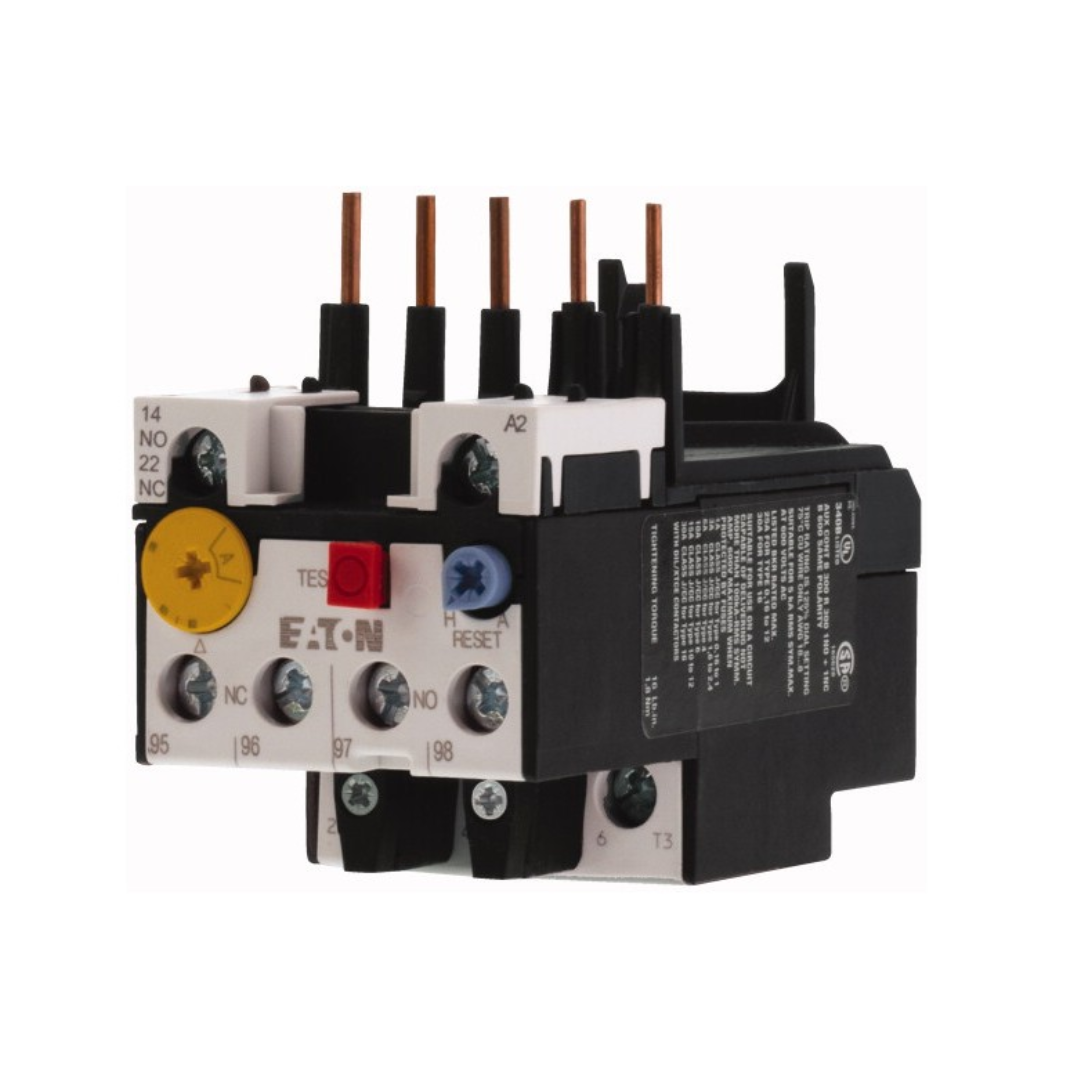
The ZB12-16 overload relay is specifically designed to provide protection against excessive currents in electrical systems. It is typically used in conjunction with contactors or motor starters to monitor and protect motors from overloading. The overload relay is capable of handling currents up to a certain range, with the typically rated for 16 amperes . It is adjustable and allows for setting the desired current threshold to match the specific requirements of the motor being protected.
The overload relay operates based on thermal overload principles. It incorporates a bimetallic strip or other thermal sensing device that reacts to the heat generated by the current passing through the motor. If the current exceeds the set threshold for a prolonged period, the overload relay trips, opening the circuit and preventing damage to the motor. Installation of the overload relay is typically done by connecting it in series with the motor's electrical supply. It is designed to be compatible with standard control panels and motor control systems, allowing for easy integration into various electrical setups. The overload relay may include auxiliary contacts that can be used for remote signaling or control purposes. These contacts enable integration with monitoring systems or other devices, enhancing the functionality and flexibility of the overload protection setup.
Current Rating: The ZB12 overload relay is designed to handle a specific current rating, indicating its capacity to protect motors within that current range.
Adjustable Current Range: The overload relay allows you to adjust the current range based on the motor's requirements and the desired level of protection.
Thermal Overload Protection: It utilizes a bimetallic strip that responds to heat generated by the motor's current. When the current exceeds the set threshold, the bimetallic strip triggers the relay to open, interrupting the power supply to the motor.
Trip Class: The overload relay may have a specific trip class designation, such as Class 10 or Class 20, indicating the response time of the relay to overload conditions.
Reset Mechanism: The ZB12 overload relay typically features a manual reset mechanism that requires intervention after a trip event to restore power to the motor.
"Motor protection: The primary benefit of electric overload relays is to protect electrical motors from damage caused by overloads and phase failures. They help prevent overheating, motor burnout, and potential motor failure.
Equipment safety: Overload relays contribute to the overall safety of electrical systems by preventing excessive currents that can lead to equipment damage, electrical fires, and hazards to personnel.
Energy efficiency: By detecting and tripping in the event of an overload, electric overload relays help optimize motor performance and reduce energy consumption. This contributes to energy efficiency and cost savings.
Reset and restart functionality: Overload relays offer a reset mechanism that allows the motor to restart automatically or manually after the overload condition has been resolved. This eliminates the need for constant monitoring and intervention.
"
The ZB12-16 overload relay is specifically designed to provide protection against excessive currents in electrical systems. It is typically used in conjunction with contactors or motor starters to monitor and protect motors from overloading. The overload relay is capable of handling currents up to a certain range, with the typically rated for 16 amperes . It is adjustable and allows for setting the desired current threshold to match the specific requirements of the motor being protected.
The overload relay operates based on thermal overload principles. It incorporates a bimetallic strip or other thermal sensing device that reacts to the heat generated by the current passing through the motor. If the current exceeds the set threshold for a prolonged period, the overload relay trips, opening the circuit and preventing damage to the motor. Installation of the overload relay is typically done by connecting it in series with the motor's electrical supply. It is designed to be compatible with standard control panels and motor control systems, allowing for easy integration into various electrical setups. The overload relay may include auxiliary contacts that can be used for remote signaling or control purposes. These contacts enable integration with monitoring systems or other devices, enhancing the functionality and flexibility of the overload protection setup.