1–3 business days (Dubai) | 3–5 business days (Other Emirates)
Returns:
14-day returns (conditions apply)
Product Overview
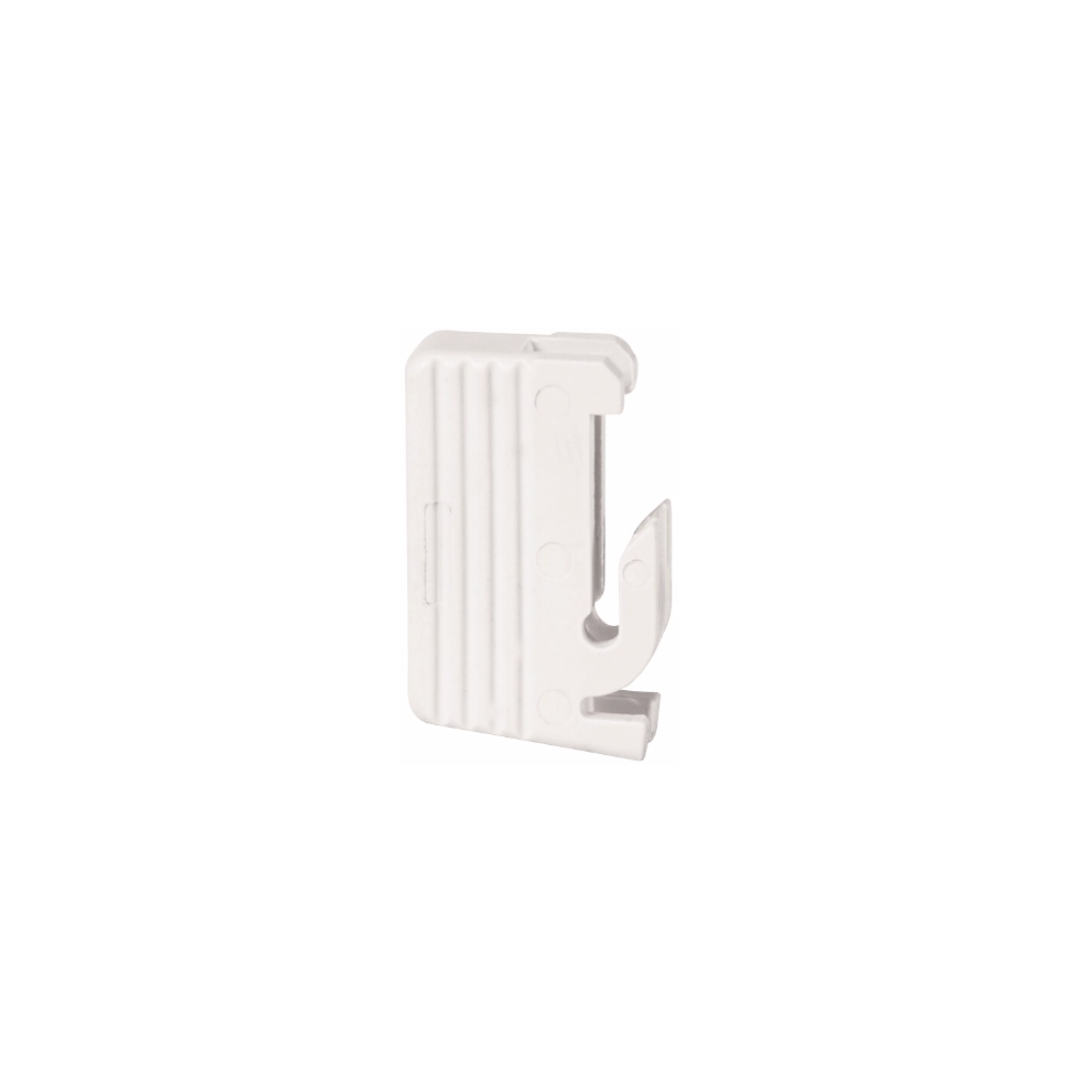
The EATON Connector is a device used to join electrical circuits together. It provides a secure, reliable, and removable connection between two or more electrical conductors, allowing the flow of electrical current from one point to another. Connectors come in various shapes, sizes, and configurations, each designed for specific applications and requirements. These are the metal terminals inside the connector that physically make contact with the conductors. They ensure the electrical connection between the mating connectors. The housing or body is the outer structure of the connector, which provides mechanical support and protection to the contacts inside. It can be made of various materials like plastic, metal, or a combination of both. Many connectors have a locking mechanism that ensures a secure and stable connection between mating connectors. This prevents accidental disconnections due to vibrations, movements, or other external factors. The connector's design includes insulation to prevent electrical short-circuits and to protect users from electric shocks.
Connectors can be terminated in various ways, such as crimping, soldering, or screwing, depending on the specific connector type. Electric connectors play a crucial role in modern technology, enabling the interconnection of various devices, equipment, and systems. Proper selection and usage of connectors are essential to ensure efficient and reliable electrical connections while considering factors such as voltage, current, environmental conditions, and intended application.
Features
Length: The connector has 15.6 millimetre length.
Height: The connector has 5.6 millimetre height.
Width: The connector has 22 millimetre width.
Weight: The connector weighs 1.22 gram.
Benefits
Ease of Connection: Connectors provide a simple and convenient way to establish electrical connections. They allow for quick and easy plug-and-play functionality, saving time and effort during installation and maintenance.
Versatility: With a wide range of connector types, sizes, and configurations available, they can be adapted to suit various applications, from small consumer electronics to heavy industrial machinery.
Modularity: Connectors enable a modular design approach, where different components or modules can be easily connected or disconnected, facilitating upgrades, repairs, and customization.
Reliability: High-quality connectors are designed for reliable and stable electrical connections. They minimize the risk of loose or intermittent connections, which could cause malfunctions or accidents.
Scalability: Connectors allow systems to be easily scaled up or down by adding or removing components without the need for complex rewiring.
Maintenance and Repair: Using connectors simplifies troubleshooting, maintenance, and repair processes. If a component fails, it can be easily replaced with a new one using compatible connectors.
Safety: Connectors with proper insulation and shielding reduce the risk of electrical shock and other safety hazards, making them safer for both users and equipment.
Flexibility: Connectors make it possible to design systems with detachable and interchangeable components, enhancing flexibility and adaptability to changing requirements.
Signal Integrity: High-quality connectors, especially in sensitive applications like data transmission or telecommunications, help maintain signal integrity and minimize signal loss or interference.
Environmental Protection: Sealed and waterproof connectors are available for applications in harsh environments, protecting the electrical connections from dust, moisture, and other contaminants.
Standardization: Many connector types adhere to industry standards, ensuring compatibility across various devices and systems. This standardization simplifies integration and reduces the need for custom solutions.
Efficiency: Connectors with low electrical resistance contribute to the overall efficiency of a system, reducing energy losses and improving performance.
Cost-Effective: While high-quality connectors might have an initial cost, they can save money in the long run by enabling faster installations, easier maintenance, and reducing downtime.
Interoperability: Standardized connectors foster interoperability between different manufacturers' products, promoting an open market and encouraging innovation.
Technical Specifications
The EATON Connector is a device used to join electrical circuits together. It provides a secure, reliable, and removable connection between two or more electrical conductors, allowing the flow of electrical current from one point to another. Connectors come in various shapes, sizes, and configurations, each designed for specific applications and requirements. These are the metal terminals inside the connector that physically make contact with the conductors. They ensure the electrical connection between the mating connectors. The housing or body is the outer structure of the connector, which provides mechanical support and protection to the contacts inside. It can be made of various materials like plastic, metal, or a combination of both. Many connectors have a locking mechanism that ensures a secure and stable connection between mating connectors. This prevents accidental disconnections due to vibrations, movements, or other external factors. The connector's design includes insulation to prevent electrical short-circuits and to protect users from electric shocks.
Connectors can be terminated in various ways, such as crimping, soldering, or screwing, depending on the specific connector type. Electric connectors play a crucial role in modern technology, enabling the interconnection of various devices, equipment, and systems. Proper selection and usage of connectors are essential to ensure efficient and reliable electrical connections while considering factors such as voltage, current, environmental conditions, and intended application.