We’ve upgraded Alisouq for a faster, smoother experience
loading...
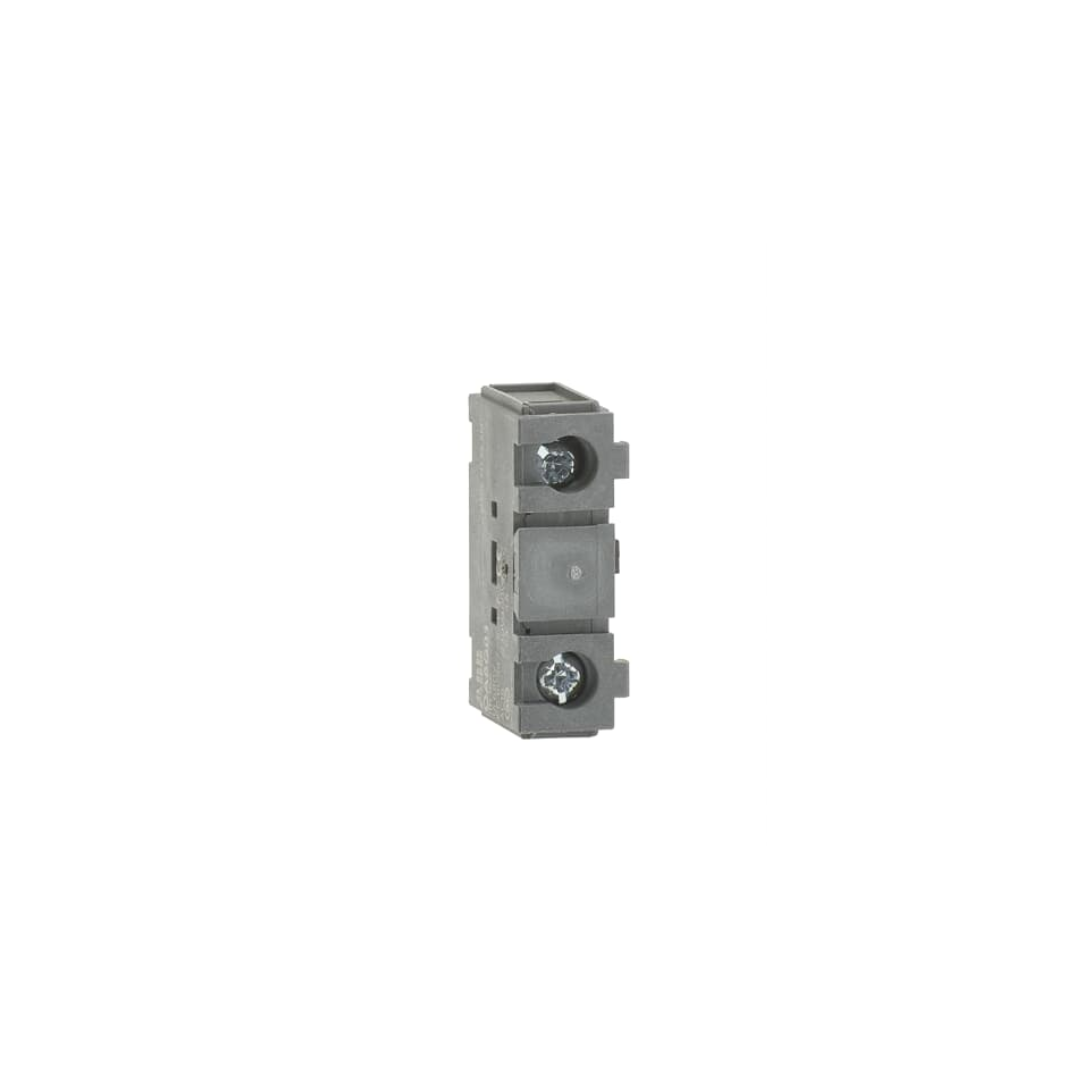
An ABB auxiliary contact is an electrical device used to provide secondary power supply and control connections. It is widely used in industrial applications for a variety of purposes, such as switching high-power loads on and off, signaling device status, and controlling circuit breakers. Auxiliary contacts connect to other devices and provide a signal or spark-tripping magnetically actuated contacts that can be used to simultaneously switch another device on or off. They are typically used in conjunction with a contactor, relay, or other switching device.
Auxiliary contacts come in a wide variety of sizes, types, and ratings. They can be made with different kinds of metals such as nickel, copper, and steel. Auxiliary contacts are available as single, double, triple, and quadruple pole types, which means that multiple load currents and signals can be controlled by one contact. This makes them an ideal solution for equipment with complex power and control systems.
1. Easy to configure and install2. Safe and reliable operation3. Maximum capacity control and reduced costs4. Increased operational lifetime5. Improved system stability and performance
An ABB auxiliary contact is an electrical device used to provide secondary power supply and control connections. It is widely used in industrial applications for a variety of purposes, such as switching high-power loads on and off, signaling device status, and controlling circuit breakers. Auxiliary contacts connect to other devices and provide a signal or spark-tripping magnetically actuated contacts that can be used to simultaneously switch another device on or off. They are typically used in conjunction with a contactor, relay, or other switching device.
Auxiliary contacts come in a wide variety of sizes, types, and ratings. They can be made with different kinds of metals such as nickel, copper, and steel. Auxiliary contacts are available as single, double, triple, and quadruple pole types, which means that multiple load currents and signals can be controlled by one contact. This makes them an ideal solution for equipment with complex power and control systems.