We’ve upgraded Alisouq for a faster, smoother experience
loading...
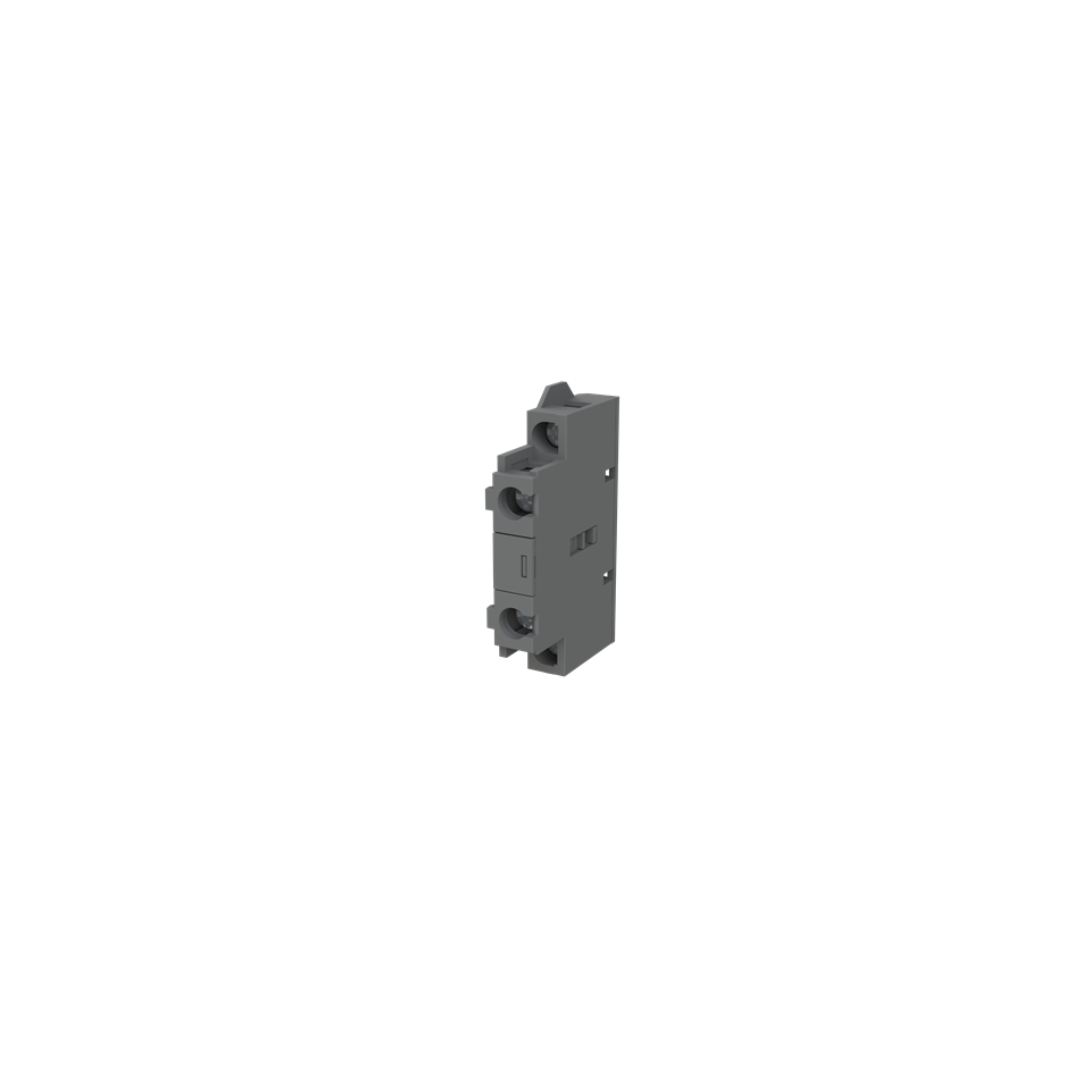
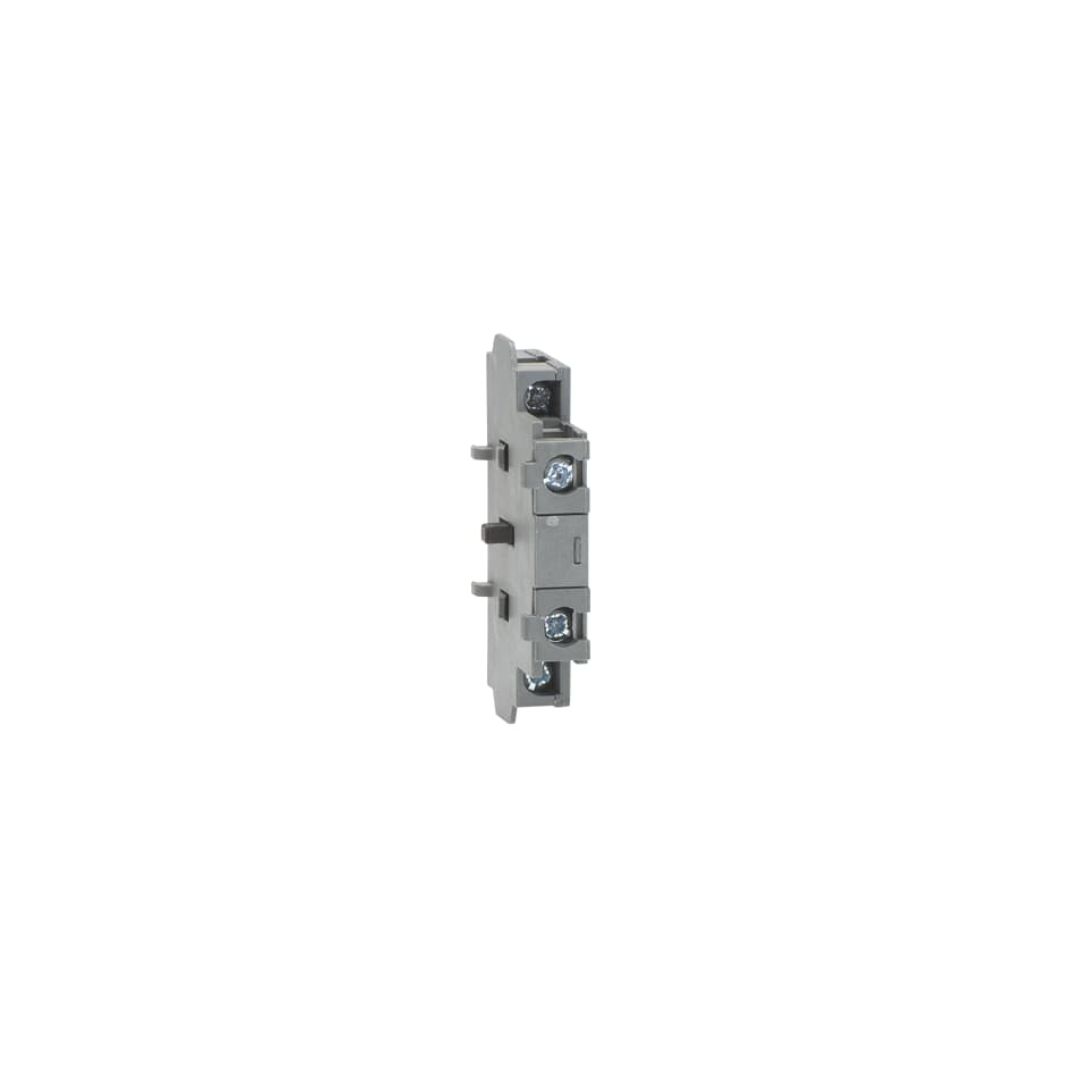
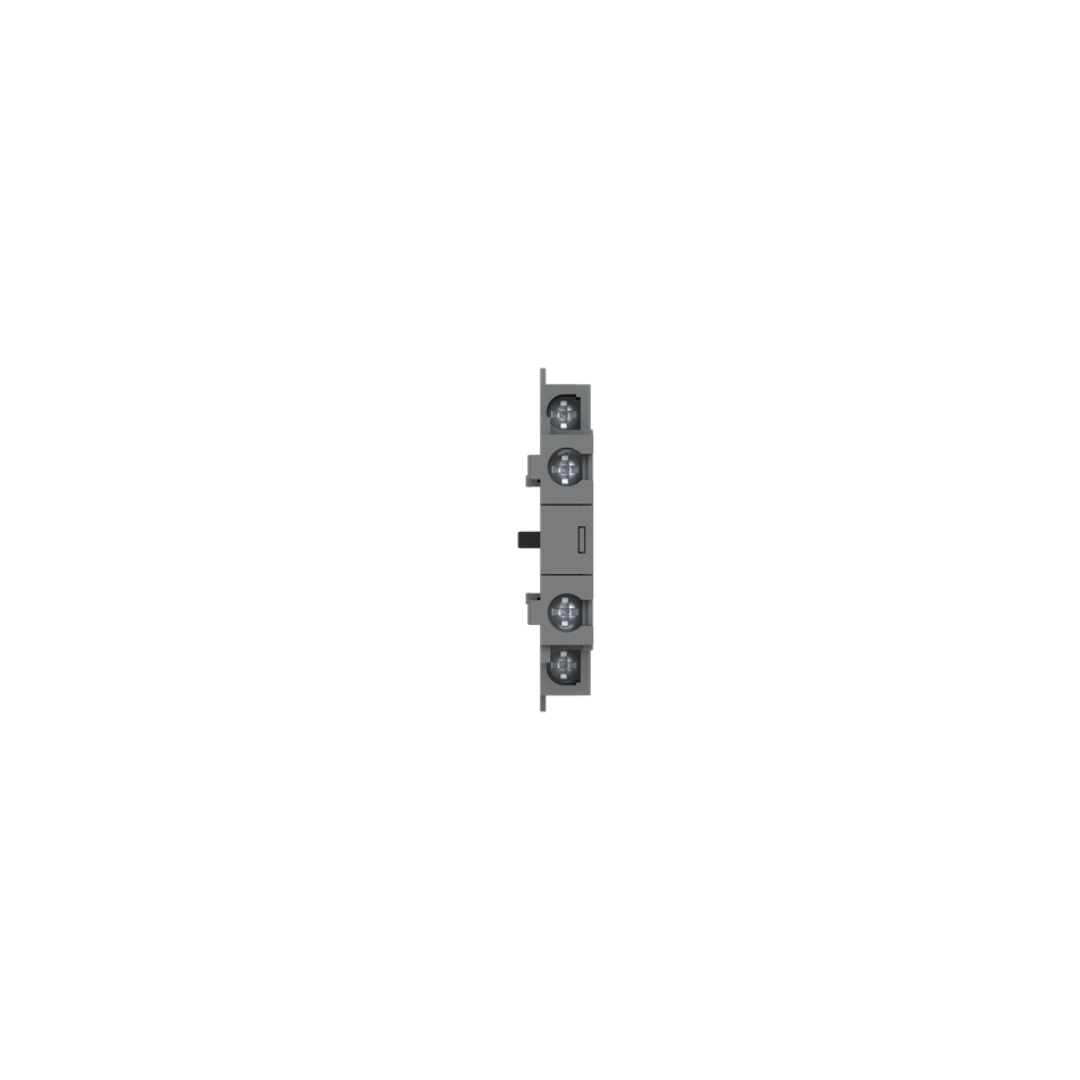
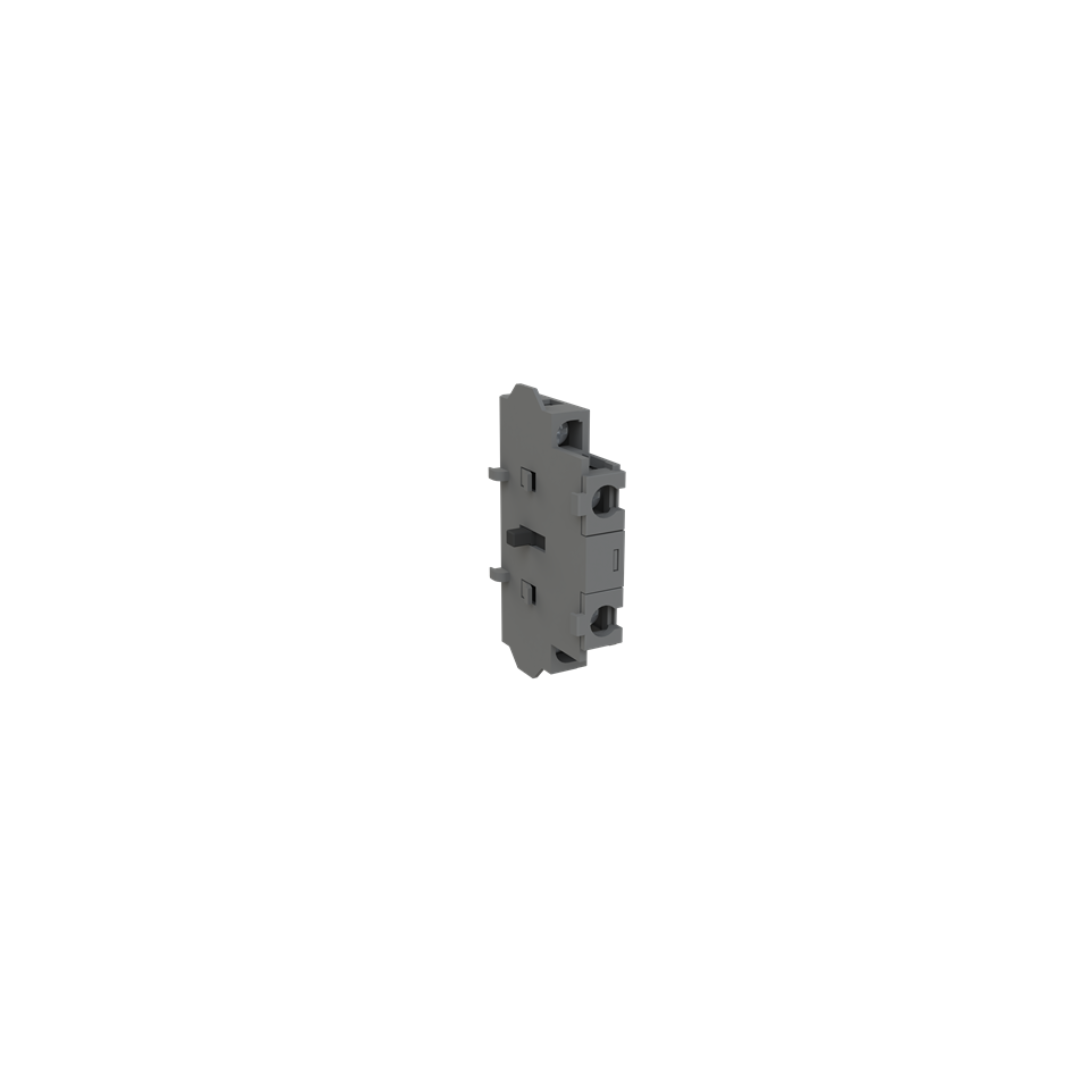
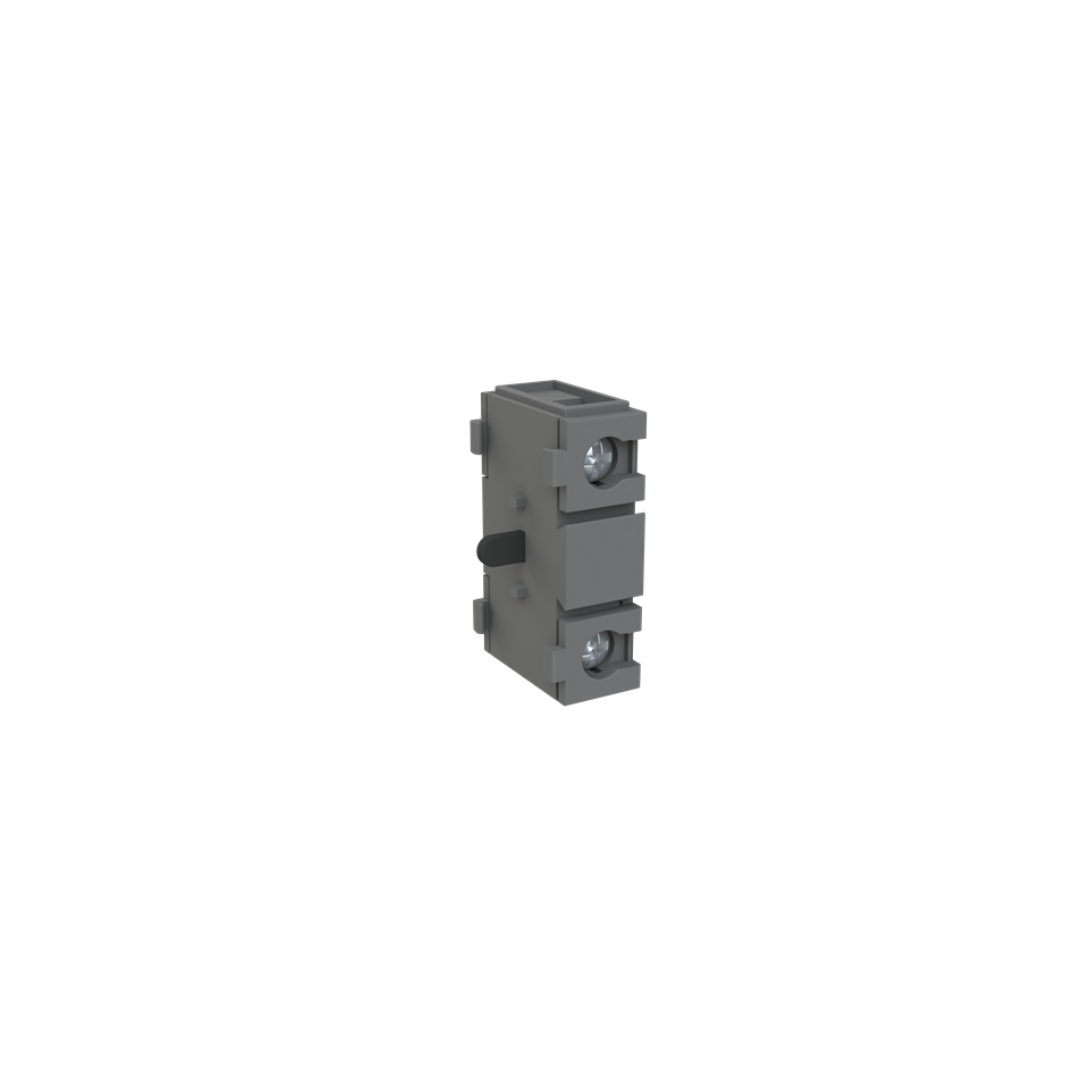
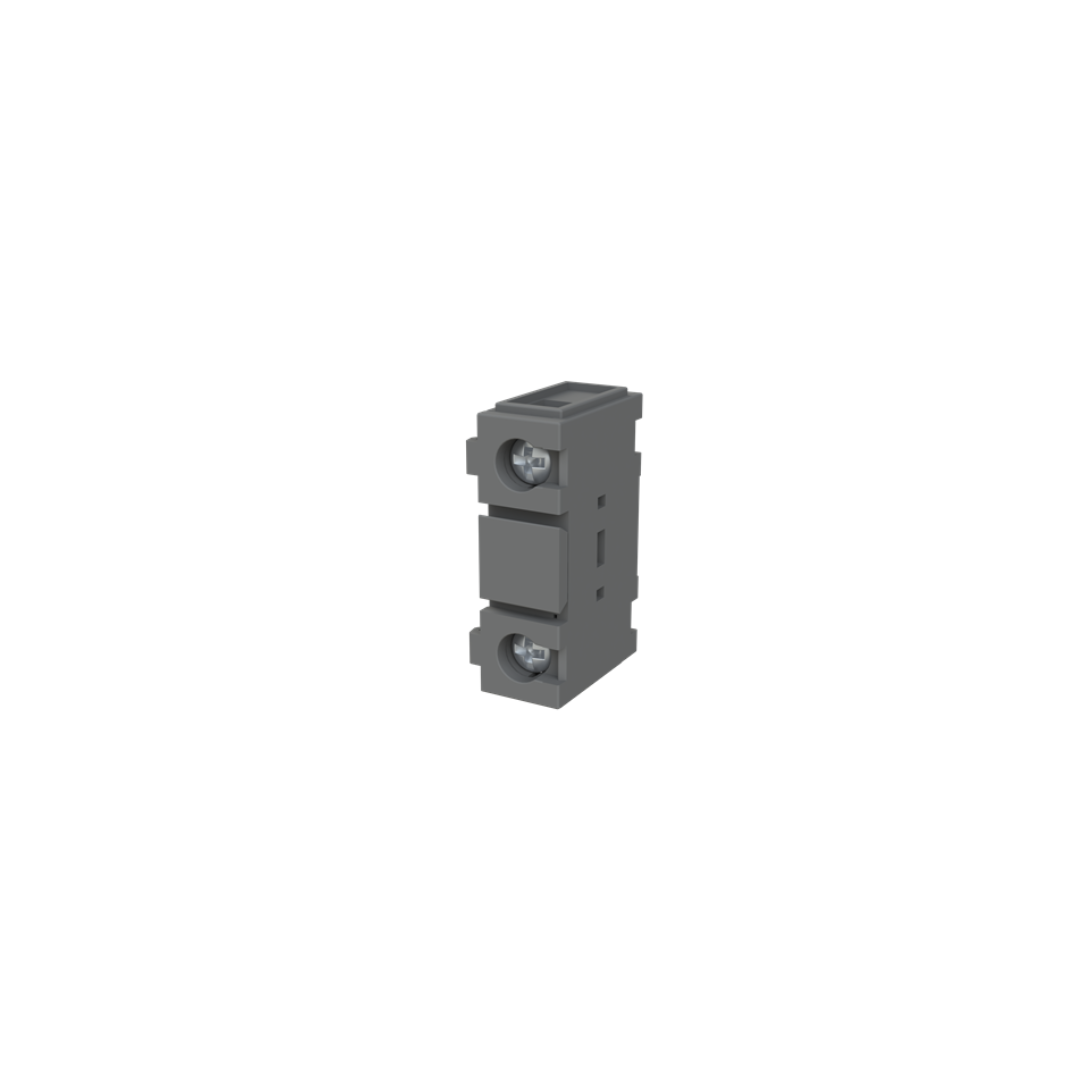
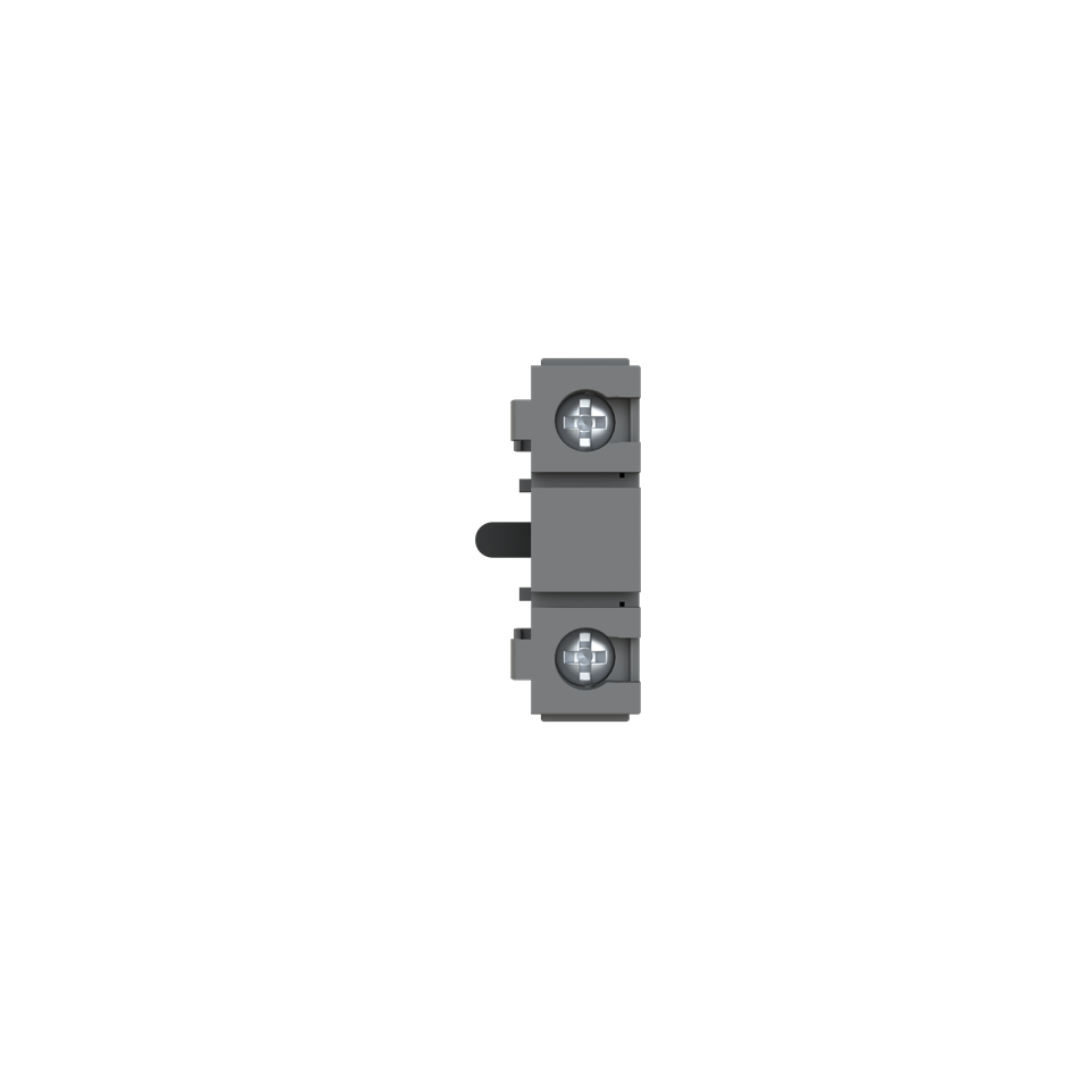
Auxiliary contact is a device used as a supplementary contact that operates simultaneously with the operation of the main contact. It is commonly used in circuit breakers and switching devices to enable additional functions, such as the control of external circuit-breaker closing devices or the signaling of the operation status of the main contacts. It can also protect the main contact system from electrical shock, overload, arc flash, and ground fault causes of damage. Auxiliary contacts are extremely flexible and can come in a variety of configurations including Normally Open (NO), Normally Closed (NC), and Changeover (CO).Auxiliary contacts are a very important safety feature and are used in many industrial applications for protection against accidents and hazardous conditions. Auxiliary contacts are typically made of a conductive materials such as copper, brass, silver, or an alloy of these. The contacts are insulated to prevent any electrical contact between the metal parts and prevent any sparks from igniting nearby combustible materials. The contacts are usually enclosed in a plastic housing, some with visible indicator lights to show when the contacts have been activated.
1. Improved safety due to separation of controlled and uncontrolled circuits.2. Increase operational efficiency.3. Easier installation for complex applications.4. Reduces wiring costs and complexity.5. Enables reliable connection and disconnection of power to additional circuits.
Auxiliary contact is a device used as a supplementary contact that operates simultaneously with the operation of the main contact. It is commonly used in circuit breakers and switching devices to enable additional functions, such as the control of external circuit-breaker closing devices or the signaling of the operation status of the main contacts. It can also protect the main contact system from electrical shock, overload, arc flash, and ground fault causes of damage. Auxiliary contacts are extremely flexible and can come in a variety of configurations including Normally Open (NO), Normally Closed (NC), and Changeover (CO).Auxiliary contacts are a very important safety feature and are used in many industrial applications for protection against accidents and hazardous conditions. Auxiliary contacts are typically made of a conductive materials such as copper, brass, silver, or an alloy of these. The contacts are insulated to prevent any electrical contact between the metal parts and prevent any sparks from igniting nearby combustible materials. The contacts are usually enclosed in a plastic housing, some with visible indicator lights to show when the contacts have been activated.