We’ve upgraded Alisouq for a faster, smoother experience
(incl. VAT)
loading...
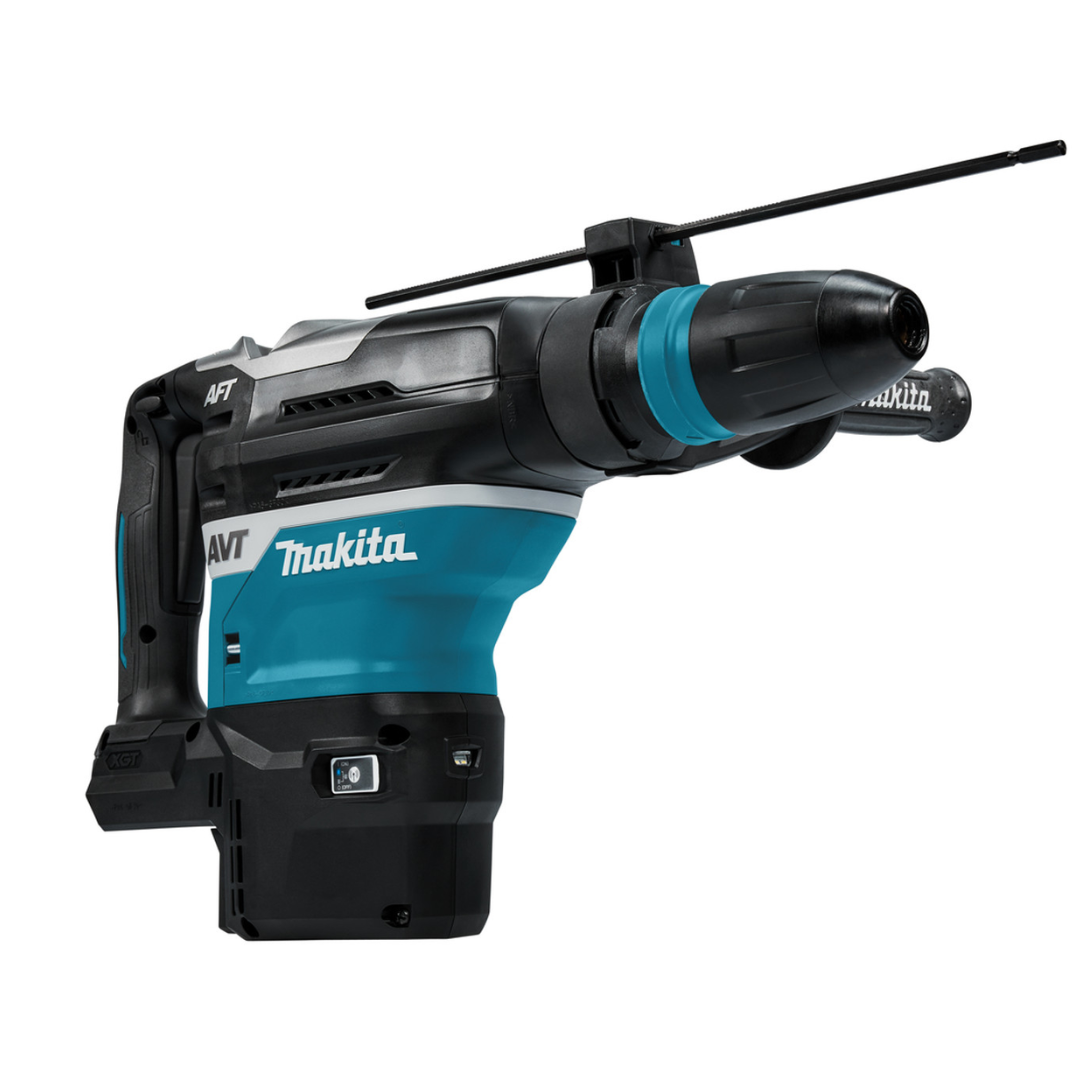
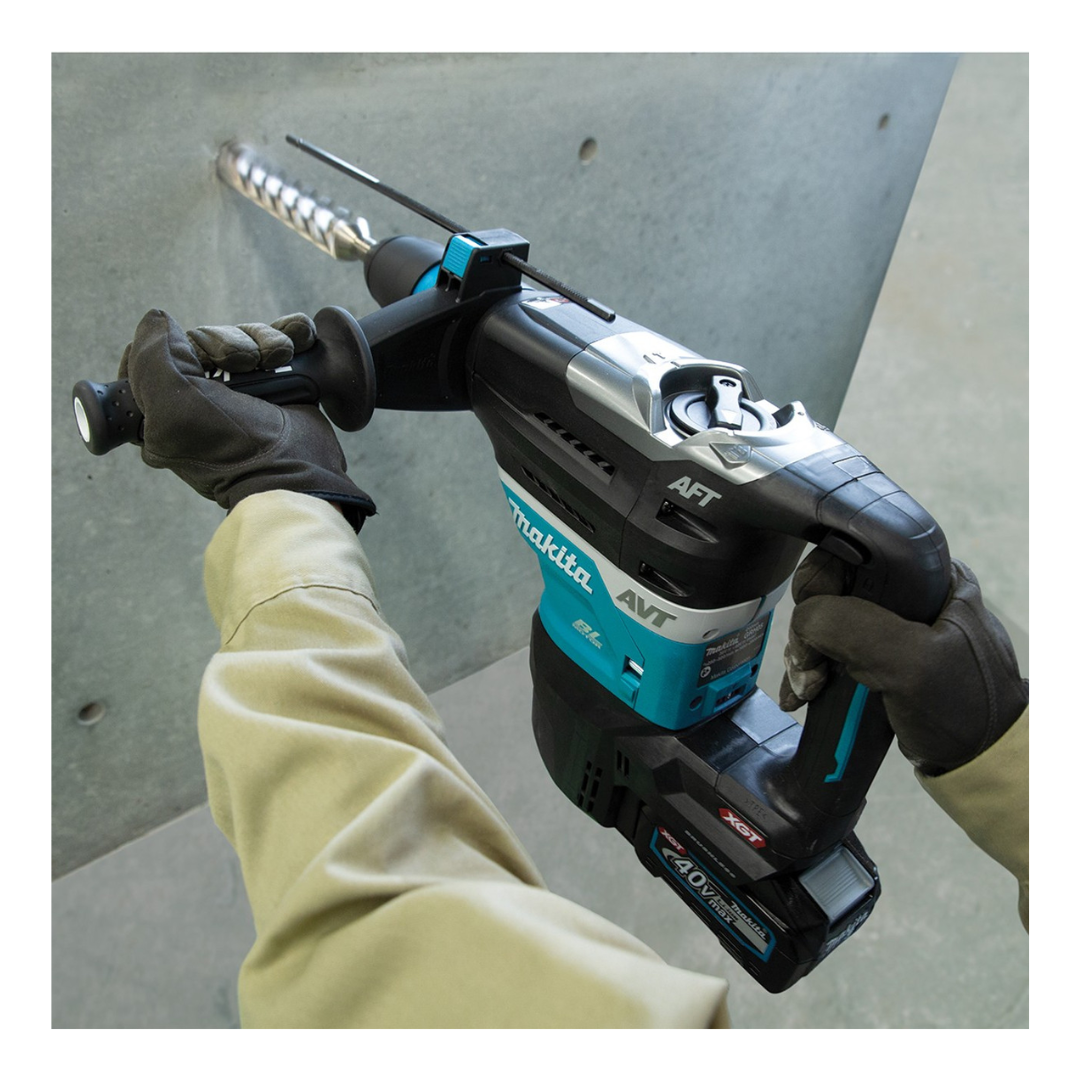
A rotary hammer, also called rotary hammer drill is a power tool that can perform heavy-duty tasks such as drilling and chiseling hard materials. It is similar to a hammer drill in that it also pounds the drill bit in and out while it is spinning.
However, rotary hammers use a piston mechanism instead of a special clutch. This causes them to deliver a much more powerful hammer blow, making it possible to drill bigger holes much faster. Most rotary hammers have three settings: drill mode, hammer drill or just hammer, so they can act as a mini jackhammer.
Compared to less advanced power units known as hammer drills, rotary hammers tend to be larger and provide a bigger impact force by utilizing a technology called the "electro-pneumatic" (EP) hammering mechanism, because it is powered directly by electricity instead of a separate air compressor.
Rotary hammers have two pistons – a drive piston, and a flying piston. An electric motor turns a crank, which moves the drive piston back and forth in a cylinder. The flying piston is at the other end of the same cylinder. The pistons do not actually touch, but the air pressure in the EP cylinder allows for a much more efficient transfer of hammering energy than springs in the cam-action style hammer drills.
The majority of modern rotary hammers as well as all electric-powered chipping guns or jack-hammers all utilize this EP technology.
BL motor generates less heat buildup and is ideal for prolonged use in high production applications.
BL motor eliminates carbon brushes, enabling the BL motor to run cooler and more efficiently for longer life.
BL motor efficiently uses energy to match torque and RPM to the changing demands of the application.
Twin LED job lights with preglow and afterglow functions.
Comes With out Battery and Charger.
Torque limiter stops bit rotation if bit jams for increased operator safety and enhanced tool protection.
Ergonomic soft rubber grip design for vibration absorption and comfortable operation.
Variable speed control dial allows operator to adjust speed based on materials or application.
Constant speed control automatically applies additional power to the motor to maintain speed under load.
Soft start for smooth start-ups.
Extreme Protection Technology (XPT) engineered to provide increased dust and water resistance.
2-mode operation for “Hammering Only” or “Hammering with Rotation” for multiple applications.
Depth gauge for increased drilling consistency. Electric brake for maximum productivity. Battery protection circuit protects against overloading, over-discharging and over-heating.
8.0 Joules (EPTA) Impact Energy Delivers High Performance Equivalent to HR4013C.
BL motor delivers high power and excellent performance equivalent to corded model HR4013C.
Active Feedback sensing Technology (AFT) turns the motor off if bit rotation is suddenly forced to stop.
Auto-start Wireless System (AWS) connects to compatible vacuum cleaners with Bluetooth.
Low vibration achieved by Anti-Vibration Technology (AVT) & SOFT NO LOAD (suppression of motor speed during no-load) .
BL motor delivers 250-500 RPM and 1,450-2,900 BPM.
BL motor with high power to weight and size ratio.
A rotary hammer, also called rotary hammer drill is a power tool that can perform heavy-duty tasks such as drilling and chiseling hard materials. It is similar to a hammer drill in that it also pounds the drill bit in and out while it is spinning.
However, rotary hammers use a piston mechanism instead of a special clutch. This causes them to deliver a much more powerful hammer blow, making it possible to drill bigger holes much faster. Most rotary hammers have three settings: drill mode, hammer drill or just hammer, so they can act as a mini jackhammer.
Compared to less advanced power units known as hammer drills, rotary hammers tend to be larger and provide a bigger impact force by utilizing a technology called the "electro-pneumatic" (EP) hammering mechanism, because it is powered directly by electricity instead of a separate air compressor.
Rotary hammers have two pistons – a drive piston, and a flying piston. An electric motor turns a crank, which moves the drive piston back and forth in a cylinder. The flying piston is at the other end of the same cylinder. The pistons do not actually touch, but the air pressure in the EP cylinder allows for a much more efficient transfer of hammering energy than springs in the cam-action style hammer drills.
The majority of modern rotary hammers as well as all electric-powered chipping guns or jack-hammers all utilize this EP technology.