We’ve upgraded Alisouq for a faster, smoother experience
(incl. VAT)
loading...
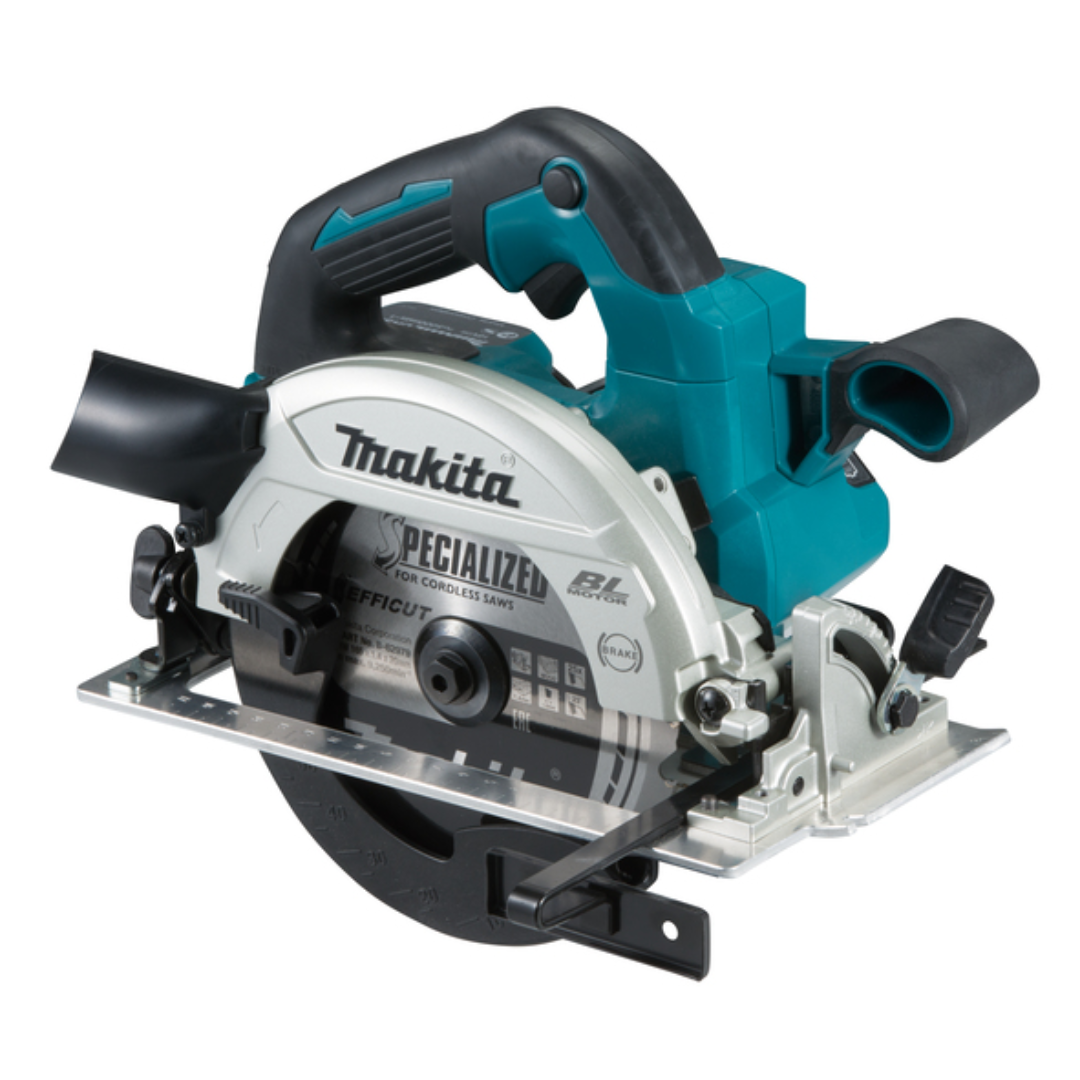
An abrasive saw, also known as a circular saw (a type of power tool) commonly used for cutting hard materials, such as metal, tile, and concrete. The cutting action is performed by an abrasive disc, similar to a fine grinding wheel. Technically, it is not a saw as it does not use normally shaped edges (teeth) for cutting.
These saws are available in several configurations, including desktop, hand-held, and walk-behind models. In desktop models, which are commonly used for cutting tiles and metal, the cutting wheel and motor are mounted on a handwheel that is attached to a fixed base plate.
Table saws are typically electrically powered and often have a built-in work clamp or other clamping device. The freestanding design is commonly used for cutting concrete, asphalt and pipes on construction sites. They are designed with the handle and motor close to the operator, with the saw blade at the end of the saw. Freehand saws have no vice as the material to be cut is larger and heavier.
Walk-behind models, sometimes referred to as flat saws, are larger saws that use a rack or cart to cut concrete floors as well as asphalt and concrete paving materials.
45° Miter capacity with adjustable fence: Allows for quick and accurate miter cuts without flipping heavy material.
Large spindle lock button: Make quick and easy blade changes wearing gloves.
Quick-adjust vise clamp: Adjusts quickly for different material sizes.
Comes WITHOUT BATTERY & CHARGER.
All-ball-bearing construction: Delivers maximum durability.
Powerful 15-amp, 4.0 maximum horsepower motor: Delivers maximum cutting performance in various materials.
Large cutting capacity: Accommodates a wide range of cutting applications up to 5".
Durable, lightweight design: Permits portability without sacrificing durability.
Oversized wheel guards: Provides added protection from debris.
An abrasive saw, also known as a circular saw (a type of power tool) commonly used for cutting hard materials, such as metal, tile, and concrete. The cutting action is performed by an abrasive disc, similar to a fine grinding wheel. Technically, it is not a saw as it does not use normally shaped edges (teeth) for cutting.
These saws are available in several configurations, including desktop, hand-held, and walk-behind models. In desktop models, which are commonly used for cutting tiles and metal, the cutting wheel and motor are mounted on a handwheel that is attached to a fixed base plate.
Table saws are typically electrically powered and often have a built-in work clamp or other clamping device. The freestanding design is commonly used for cutting concrete, asphalt and pipes on construction sites. They are designed with the handle and motor close to the operator, with the saw blade at the end of the saw. Freehand saws have no vice as the material to be cut is larger and heavier.
Walk-behind models, sometimes referred to as flat saws, are larger saws that use a rack or cart to cut concrete floors as well as asphalt and concrete paving materials.