We’ve upgraded Alisouq for a faster, smoother experience
loading...
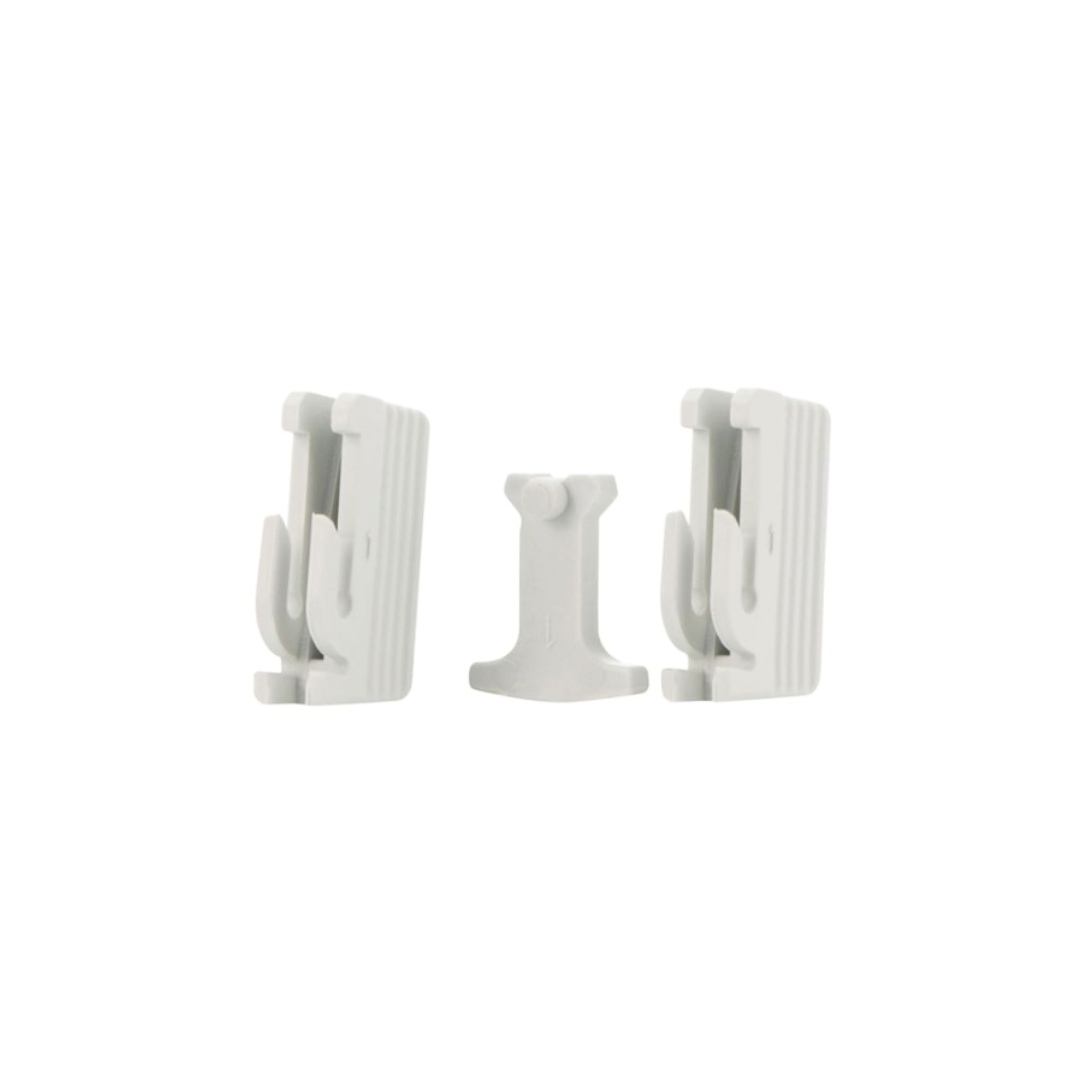
The EATON Mechanical Interlock is a safety mechanism or control device designed to prevent certain actions or operations from occurring simultaneously or in a specific sequence. Its primary function is to ensure the safe and proper functioning of machinery, equipment, or systems by preventing potentially hazardous conditions or unintended consequences. The interlock typically consists of physical components or mechanisms that are directly linked to the operation of the equipment. These components are designed to interact with one another in a way that enforces specific rules or restrictions. In an electrical switchgear cabinet, a mechanical interlock could be used to prevent the opening of a circuit breaker while the switch is in the "ON" position. This ensures that the breaker can only be accessed for maintenance or repairs when the circuit is safely de-energized. The interlock physically blocks the breaker from being opened until the switch is turned to the "OFF" position, and the mechanism for the interlock is engaged to allow access.
Mechanical interlocks can also be used in complex industrial machines to prevent dangerous operations or avoid damage to the machinery. They are frequently found in manufacturing plants, power generation facilities, transportation systems, and many other applications where safety and proper equipment functioning are critical. The mechanical interlock acts as a fail-safe measure, promoting safe operations, and reducing the risk of accidents or costly errors that could arise from improper use or operation of the equipment.
Length: The mechanical interlocks has 70 millimetre length.
Height: The mechanical interlocks has 4 millimetre height.
Width: The mechanical interlocks has 22 millimetre width.
Weight: The mechanical interlocks weighs 3 gram.
Enhanced Safety: One of the primary advantages of mechanical interlocks is the improvement in safety. By preventing certain actions from occurring simultaneously or in an incorrect sequence, they reduce the risk of accidents, injuries, or equipment damage. This is especially crucial in industries where machinery and equipment can be hazardous when not operated correctly.
Prevents Human Errors: Mechanical interlocks help prevent human errors, as they enforce specific rules and procedures for operating equipment. For instance, interlocks can ensure that operators follow a proper shutdown procedure before accessing critical components, reducing the likelihood of mistakes or oversights.
Equipment Protection: Interlocks can protect expensive and sensitive equipment from damage caused by improper usage. For example, a mechanical interlock can prevent a machine from starting if certain safety covers are not in place, guarding against potential damage and downtime.
Compliance with Regulations: Many industries are subject to strict safety regulations and standards. Implementing mechanical interlocks can aid in compliance with these requirements, avoiding potential fines, legal issues, or reputational damage resulting from safety violations.
Sequential Operations: In complex systems, interlocks can enforce a specific sequence of operations, ensuring that processes are performed in a predefined and orderly manner. This is particularly important in industrial processes where the correct order of operations is critical to achieving desired outcomes.
Redundancy and Fail-Safe Measures: Mechanical interlocks often serve as redundant safety features, providing an additional layer of protection in case other safety systems fail. These fail-safe mechanisms can be essential in critical applications where the consequences of failure could be severe.
Easy Implementation: Mechanical interlocks are relatively simple and cost-effective to install and maintain. Compared to more complex electronic or software-based safety systems, mechanical interlocks may require less training and specialized knowledge to use effectively.
Compatibility with Existing Equipment: Mechanical interlocks can be designed to work with various types of equipment, even in older or legacy systems. This adaptability makes them a practical solution for retrofitting safety measures into existing machinery.
No Power Dependency: Unlike some electronic safety systems, mechanical interlocks do not rely on an external power source. This makes them reliable even in the event of power outages or electrical failures.
The EATON Mechanical Interlock is a safety mechanism or control device designed to prevent certain actions or operations from occurring simultaneously or in a specific sequence. Its primary function is to ensure the safe and proper functioning of machinery, equipment, or systems by preventing potentially hazardous conditions or unintended consequences. The interlock typically consists of physical components or mechanisms that are directly linked to the operation of the equipment. These components are designed to interact with one another in a way that enforces specific rules or restrictions. In an electrical switchgear cabinet, a mechanical interlock could be used to prevent the opening of a circuit breaker while the switch is in the "ON" position. This ensures that the breaker can only be accessed for maintenance or repairs when the circuit is safely de-energized. The interlock physically blocks the breaker from being opened until the switch is turned to the "OFF" position, and the mechanism for the interlock is engaged to allow access.
Mechanical interlocks can also be used in complex industrial machines to prevent dangerous operations or avoid damage to the machinery. They are frequently found in manufacturing plants, power generation facilities, transportation systems, and many other applications where safety and proper equipment functioning are critical. The mechanical interlock acts as a fail-safe measure, promoting safe operations, and reducing the risk of accidents or costly errors that could arise from improper use or operation of the equipment.